
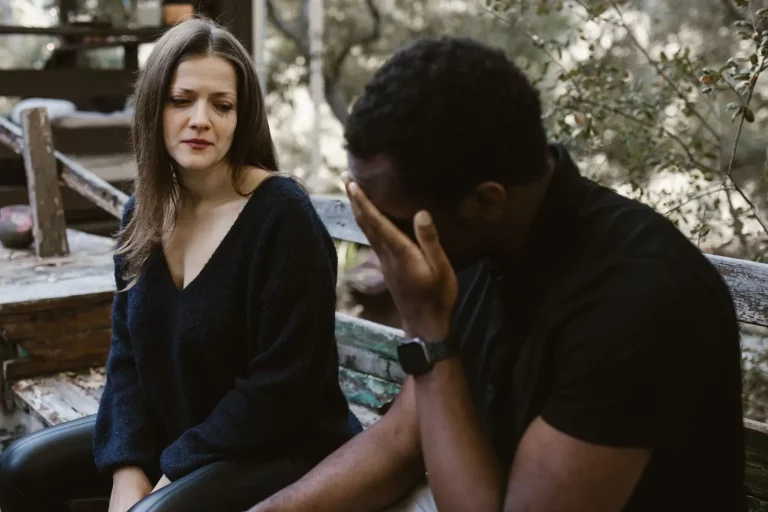
Something feels off, but you cannot point to a single dramatic betrayal. There is no hotel receipt, no late-night photo. There is a growing distance, a private glow in their phone, and a sense that the best parts of them are being spent somewhere else. That uneasy middle ground is often where emotional cheating begins - and it can hurt as much as a physical affair.
Emotional cheating is not “just friendship” with a convenient excuse attached. It is a pattern of intimacy, secrecy, and priority that belongs inside the relationship but is being given to someone outside it. This guide explains what emotional cheating is, how it differs from micro cheating and physical cheating, ten signs to watch for, and what to do next if you recognize yourself or your partner in these pages.
What Is Emotional Cheating?
Emotional Cheating vs Physical Cheating
10 Signs of Emotional Cheating
Why Emotional Affairs Happen
What To Do If It’s Happening
If You’re the One Crossing the Line
Frequently Asked Questions
What Is Emotional Cheating?
At its core, what is emotional cheating? It is forming a bond with someone outside your relationship that includes emotional intimacy, secrecy, and a sense of special connection that belongs with your partner. The conversations may sound innocent on the surface - work stress, shared jokes, late-night venting - but the feeling underneath is different. You turn to that person first. You protect the connection. You edit what you tell your partner.
An emotional affair often starts as relief. Someone listens without judgment. They “get” you in a way your partner currently does not. Over weeks, that relief becomes a private world. You save stories for them. You feel a flutter when their name lights up your screen. You may still share a bed with your partner while sharing your inner life with someone else.
That is why emotional cheating can feel so confusing. There may be no physical contact. There may even be a partner who still does laundry, pays bills, and says “love you” at the door. Yet the relationship’s emotional center has quietly moved. If you have been living with a long stretch of emotional neglect in a relationship, the pull toward an outside confidant can feel almost inevitable - which does not make it fair.
One quick distinction: micro cheating usually refers to small boundary slips (liking a crush’s photos, hiding a chat, flirting “as a joke”). Emotional cheating is deeper. It is not one wink. It is a parallel intimacy. Keep that line clear so you do not dilute a serious pattern into a buzzword.
Think of it this way. Friendship nourishes a relationship when it stays complementary. An emotional affair competes. You leave conversations with the other person feeling more alive, more understood, more chosen - and you return to your partner with less of yourself left to offer. That imbalance is the heart of the problem.
Emotional Cheating vs Physical Cheating
People often ask whether emotional cheating vs physical cheating is a real comparison or a way to minimize harm. Both can shatter trust. They simply wound differently.
Physical cheating involves sexual or romantic physical contact outside the agreed boundaries of the relationship. The betrayal is concrete. Emotional cheating involves intimacy, attachment, and secrecy without (or before) physical contact. The betrayal is harder to “prove,” which can leave the hurt partner gaslighting themselves: Am I overreacting? They’re just friends.
In practice, many emotional affairs sit on a continuum. Emotional intensity rises. Boundaries soften. Fantasies grow. Sometimes physical cheating follows; sometimes it never does. Either way, the damage to safety and honesty is real. Comparing “which is worse” rarely helps. What helps is naming the pattern, the secrecy, and the choices.
Also notice how emotional unavailability inside the primary relationship can fuel the outside bond. Patterns that look like emotionally unavailable relationship signs - stonewalling, shallow check-ins, chronic distraction - create a hunger that someone else may eagerly feed.
Couples who recover well stop debating semantics and start defining agreements. What counts as private? What counts as intimacy that should stay between you? What transparency do you both need to feel safe again? Those conversations are uncomfortable. They are also how trust gets rebuilt.
10 Signs of Emotional Cheating
No single sign proves an emotional affair. Patterns matter more than one awkward text. These signs of emotional cheating show up often enough that they are worth taking seriously.
1. They Protect the Other Person’s Privacy More Than Yours
Password changes. Phone face-down. Conversations that stop when you walk in. If transparency drops only around one person, treat that as data, not paranoia.
2. They Share Intimate Details They Used to Save for You
Dreams, fears, childhood stories, sexual frustrations, relationship complaints - these are intimacy currencies. When those get spent elsewhere first, the relationship starts living on leftovers.
3. You Feel Like a Roommate While Someone Else Gets the Spark
They may still be polite at home. But the animation - the laughter, the curiosity, the “you won’t believe this” energy - appears for the other person. You feel the absence of aliveness more than the absence of sex.
4. Comparisons Creep In
“Why can’t you be more like…” may be said out loud or only in their head. Idealizing an outside connection while criticizing the partner is a classic emotional-affair move. Real relationships have dishes and hard mornings. Fantasies rarely do.
5. They Seek Emotional Support Outside Before Repairing Inside
After a fight, they text the other person instead of coming back to you. Conflict becomes a bridge to the affair rather than a bridge back to the relationship.
6. Time and Attention Quietly Reallocate
Long lunches. Late replies that used to be prompt. “Work friends” hangs that somehow never include you. Attention is a finite resource. Watch where it goes.
7. Secrecy Feels Exciting to Them
Ask gently what the secrecy is protecting. Healthy friendships can handle daylight. Emotional affairs often need darkness to stay charged.
8. Sexual Energy Shifts - Even Without Physical Cheating
Desire may drop with you while fantasy life lights up around the other person. Or sex continues, but feels mechanical, as if their mind is elsewhere.
9. Defensiveness Explodes When You Ask Simple Questions
“Who is that?” should not require a courtroom defense. Extreme defensiveness often protects a bond they know would look wrong in full light.
10. You Keep Shrinking Your Concerns to Keep the Peace
If you repeatedly abandon your intuition to avoid being called jealous, something is already broken. Trust your pattern recognition. Then check it against behavior, not against their spin.
Why Emotional Affairs Happen
Emotional cheating is rarely only about “finding someone hotter.” More often it is about unmet needs, avoidant habits, and the thrill of being newly seen. Loneliness inside a relationship is a powerful accelerant. So is novelty. So is resentment that never got named.
Attachment patterns can intensify this. Someone with an anxious attachment style may chase intensity and reassurance from whoever offers it. Someone more avoidant may keep the primary relationship shallow while enjoying a safer, less demanding intimacy on the side. Neither pattern excuses secrecy. Both help explain why the door opened.
Work stress, new parenthood, unresolved grief, and long stretches of poor communication also create cracks. An emotional affair does not “just happen.” It is built through hundreds of small choices: one confiding text, one deleted thread, one night you chose not to come home emotionally.
Sometimes the outside person is not even pursuing romance. They may simply be available, affirming, and low-conflict. That can make the bond feel “innocent” to the person inside it. Intent does not erase impact. If your partner has to hide the depth of the connection, the connection has already crossed a line.
What To Do If It’s Happening
If you suspect emotional cheating, start with clarity rather than interrogation theater. Collect your observations. Separate facts (“They hide their phone and talk to X every night”) from stories (“They must hate me”). Then choose a calm window to talk.
Use specific language. “I feel shut out when private conversations with X take priority over ours, and I need honesty about what that relationship is” lands better than “You’re cheating.” Invite truth without promising you will stay no matter what you hear. For practical wording help, see how to communicate your needs in a relationship.
What you need next depends on what they do with the truth. Repair requires ending the secrecy, reducing or cutting the outside bond, and rebuilding transparency. Curiosity about your pain matters. So does changed behavior over time - not a one-day apology tour.
If they deny everything while the pattern continues, minimize your feelings, or refuse any boundary around the outside person, you are looking at a values problem, not a misunderstanding. In that case, reading 7 signs it’s time to walk away from a relationship can help you stop bargaining with your own dignity.
Consider support outside the dyad too - a therapist, a trusted friend who will not gossip, or a structured couples process if both of you want to rebuild. Emotional affairs leave a residue of hypervigilance. Healing is not “get over it.” Healing is restoring safety through consistency.
Give yourself permission to move at the speed of trust, not the speed of their impatience. Someone who wants to repair will tolerate the temporary awkwardness of extra check-ins, clearer phone boundaries, and fewer private channels with the third person. Someone who wants the thrill more than the relationship will call those requests “controlling.” Listen to that difference.
If You’re the One Crossing the Line
If this article is holding up a mirror, stop negotiating with yourself. Ask what need the outside person is meeting: admiration, playfulness, being chosen, being understood. Then ask why that need is not being voiced at home. The answer may be painful. It is still yours to face.
End the secrecy first. Then decide - with honesty - whether you want to repair the primary relationship or leave it cleanly. Dragging both bonds along is the cruelest option for everyone involved. Emotional cheating thrives in fog. Integrity requires daylight.
If you stay, expect to earn trust slowly. That may mean full transparency for a season, ending one-on-one contact with the affair person, and doing the unglamorous work of reconnecting with your partner without using guilt as a shortcut. If you leave, leave without using the affair as your only exit story. Own the choice.
Frequently Asked Questions
Is emotional cheating real if nothing physical happened?
Yes. Betrayal is about broken agreements and diverted intimacy, not only about body contact. If secrecy and special closeness are being given outside the relationship, the trust injury is real.
Can a close opposite-sex (or any-sex) friendship be healthy?
Absolutely - when it is transparent, bounded, and not competing with the partnership. The red line is secrecy plus emotional priority, not the friend’s gender.
How do I tell emotional cheating from a temporary crush?
A crush is a feeling. Emotional cheating is a pattern of investment and concealment. Crushes fade when you stop feeding them. Affairs grow when you keep feeding them.
Should I check their phone?
Snooping often confirms fear and destroys remaining trust at the same time. Ask for transparency directly. If you only feel safe through surveillance, the relationship already lacks a foundation.
Can couples recover from an emotional affair?
Many do - when the affair ends, honesty returns, and both people do the slower work of repairing needs and boundaries. Recovery without those conditions is mostly hope wearing a costume.
Does emotional cheating always lead to physical cheating?
No. But it often builds the emotional runway for it. Treat the emotional affair as serious on its own terms.
A Clear Next Step
Emotional cheating thrives where loneliness, secrecy, and unspoken needs meet. If you see the pattern, do not argue yourself out of your own eyes. Name it. Ask for honesty. Decide what safety requires. Whether you rebuild or leave, you deserve a relationship where the deepest conversations are not happening somewhere else.